
1. [Identity] Is this story for "Everyone" or "Only Me"?
Gen Z lives in an era where "average" has disappeared. Rather than bestsellers liked by the majority, they are enthusiastic about "Niche" brands that recognize their unique characteristics. According to a 'Gen Z Trend Report' by OpenSurvey, brand favorability increases by over 40% when they feel their specific tastes are respected.
The Evolution of Hyper-Personalization
Simply labeling a product as "for oily skin" is no longer enough. Teens and 20-somethings are used to defining themselves through MBTI, Personal Color analysis, and lifestyle keywords.
- Message Strategy: Segment your target extremely deeply. Instead of "Toner good for acne," a message like "Emergency calming ampoule for dehydrated oily skin that broke out after pulling an all-nighter for exams" is much more powerful.
- Present Specific Contexts: You must describe the specific situations (Context) they experience. Naturally position the product within their daily lives, such as after P.E. class at school, touching up makeup before a part-time job, or skin retouching before an Instagram upload.
A color cosmetics brand I recently consulted for changed their target message from "Warm Tone Lipstick" to "MLBB that doesn't look cakey even on a bare face for Autumn Mute tones," resulting in a 2.5x increase in click-through rate (CTR). This was because it made consumers feel the brand knew them 'exactly.'
2. [Value Consumption] "Ethical Consumption" is Hip
For teens and 20-somethings, 'ethical consumption' is not a duty but a form of play and a culture they want to show off. This is often called 'Meaning Out' (expressing one's beliefs through consumption). They meticulously check ingredient lists on apps, verify animal testing status, and scrutinize the recyclability of packaging.
Clean Beauty: Authenticity Beyond the Label
Simply slapping on an "Eco-friendly" mark is insufficient. You need sincere storytelling about 'why' this brand cares about the environment.
- Transparency: Disclosing all ingredients is basic. Transparently share detailed information, such as whether fair trade was observed during raw material sourcing or if soy ink was used for package printing.
- Participatory Campaigns: Activities like empty bottle collection campaigns or donating a portion of profits give them a sense of efficacy, feeling that 'I am contributing to society by using this brand's product.'
For example, rather than saying "Vegan certified moisture cream," a message with specific figures and narrative like "Moisture cream that saved 3,000 rabbits by excluding animal ingredients" leads to much higher sharing among the 1020 generation. This creates a justification for the product to appear on their Instagram Stories.
3. [Visual] Cosmetics as Desirable 'Objets'
While the function of cosmetics is demonstrated when applied, the 'value' of cosmetics is demonstrated when sitting on a vanity or being pulled out of a pouch. For Gen Z, cosmetics are like fashion accessories. In other words, they must be 'Instagrammable.'
Design is Marketing
The product container design itself must become content. Unique opening methods, hologram logos that change under light, or collaborations with kitsch characters are the most powerful weapons to induce voluntary viral marketing.
- Unboxing Experience: The experience begins the moment they tear open the delivery box. Buffer materials wrapping the product, a single included postcard, or sticker goods act as triggers that compel buyers to take photos.
- Message Strategy: Copy like "Every time I take it out of my pouch, friends ask where it's from" stimulates both their desire to show off and their sense of belonging.
4. [Trust] 'Empathy' and 'Reality' Over Authority
In the past, TV commercials featuring famous actresses asking "Do you want to be like me?" worked. However, today's teens and 20-somethings trust a word from a YouTuber or TikToker with skin concerns similar to theirs more than a perfectly set-up celebrity.
Flawless Skin? NO, Real Transformation Process!
Before/After images that are too perfect actually invite suspicion of 'Photoshop manipulation.' Unfiltered reality, such as visible redness or extreme close-ups of pores, is the key to trust.
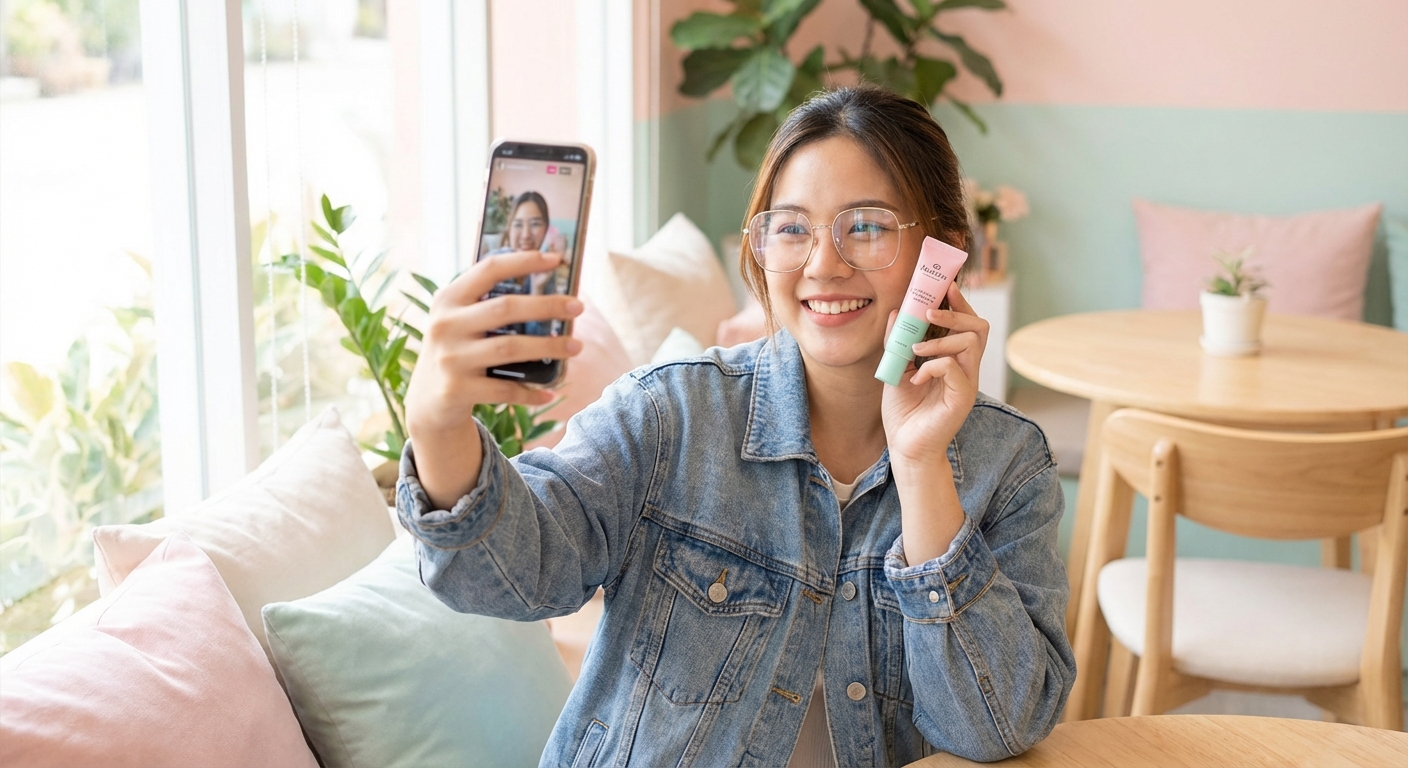
- Utilize Short-form Content: Borrow the 'GRWM (Get Ready With Me)' format popular on TikTok or Reels. A tone and manner that feels like a friend recommending a product right next to you, rather than a polished ad, is essential.
- Data-Driven Persuasion: Instead of abstract reviews like "It got better," specific data like "Sebum production reduced by 32% after 2 weeks of use (Clinical trial completed)" serves as a basis for rational judgment. Approach with emotion, and compel payment with logic.
5. [Application] 5-Step Message Framework That Drives Sales
Based on the theories mentioned above, here is a framework you can immediately apply when planning detailed pages or ad creatives. This is a secret note used internally by our 'Kkumdam' team.
🚀 Copywriting Cheat Codes for Gen Z Targets
- Step 1: Summon Persona (Targeting)
"Still a skincare nomad?" -> "Attention nurses whose skin rhythm is broken by 3-shift rotations!" - Step 2: Empathetic Pain Point (Empathy)
"Is your skin dry?" -> "Does your foundation cake and crack by 3 PM because of the office heater?" - Step 3: Third-Party Validation (Social Proof)
"Sales Rank No. 1" -> "The holy grail item beauty store staff secretly stockpile for themselves." - Step 4: Concrete Benefit (Benefit)
"Skin improves" -> "I'll let you take selfies without a filter on your blind date tomorrow." - Step 5: Psychological Limit (FOMO)
"On Sale" -> "If this batch sells out, you have to wait 2 weeks (3,000 people currently on the waitlist)."
Conclusion: Authenticity Beats Technology
The thing to guard against most in cosmetic marketing targeting teens and 20-somethings is a 'preachy attitude.' They are already incredibly Smart Consumers. Only brands that respect their culture, speak in their language, and cheer on the values they pursue can survive.
The 5 strategies introduced today ultimately start from a 'deep understanding of the customer.' Try conveying the message that your brand is not just a place selling goods, but a partner that shines a light on their daily lives. Authenticity is bound to resonate.
💡 Need a Winning Strategy Unique to Your Brand?
You understand the theory, but feel stuck on how to apply it to your specific product? 'Kkumdam' has been there for the successful launch and rebranding of numerous beauty brands.
Tell us your concerns right now. We will unblock your bottlenecks with data-driven diagnosis and creative solutions.
Apply for Free Brand Diagnosis →