
OpenClaude, MoltBot, and ClaudeBot: The Shocking Truth Behind the Hacking Incident & Security Guide for Developers
"I was definitely using ClaudeBot just fine last week, but after a sudden update, it looks like my server's environment variable (.env) file has been leaked."
It’s a horror story frequently heard in developer communities and security forums recently. Have you perhaps installed ClaudeBot, or are you considering migrating to MoltBot?
To give you the bottom line, OpenClaude, MoltBot, and ClaudeBot are all rooted in the same project. However, their transition involves a fatal hacking security incident that goes far beyond a simple name change. If you skip this article, your local development environment could become a playground for hackers.
We will uncover the full truth behind this complex three-stage transformation and the malware that slipped through the cracks. Based on data analyzed by the Dreams (Kkumdam) technology team, make sure you take away these tips for safe open-source usage.

1. The Beginning: ClaudeBot and Anthropic's Warning
It all started when an open-source project named 'ClaudeBot' gained immense popularity. It was an excellent tool that allowed users to easily run AI chatbots on Discord or Slack utilizing Anthropic's Claude API.
Anthropic's Trademark Infringement Notice
However, as the project became famous, a problem arose: the 'name.' Anthropic pointed out that the open-source project could be mistaken for an official product and that it used their trademark 'Claude' without permission, sending an official request for modification.
This is a common occurrence in the open-source ecosystem. Many projects have had to change their names due to corporate trademark protection measures. The developer accepted Anthropic's request and changed the project name to 'MoltBot'. Like the meaning of 'to shed skin (Molt),' it likely signified a will to cast off the old name and start anew.
2. The Vulnerable Gap: Hackers Target the Empty Nest
The problem arose here. As the developer changed the project name to 'MoltBot', the existing package repository (NPM, PyPI, etc.) and GitHub repository name 'ClaudeBot' became vacant or abandoned.
The Horror of Repository Hijacking
In the security industry, this is called Namespace Shadowing or Repository Hijacking, a type of 'Supply Chain Attack'. While the developer left after changing the name, a third party registered that empty 'ClaudeBot' name.
This hacker acquired ownership of the hollow 'ClaudeBot' package and uploaded code that looked similar to the existing functions on the surface. However, deep inside, fatal malware was planted.
3. Malware Analysis: What Did the Fake ClaudeBot Steal?
I personally analyzed the source code of the fake ClaudeBot distributed at that time. The hacker hid malicious scripts in a very clever way. It was designed to execute obfuscated code during the `install.js` or `postinstall` script phase.
- Environment Variable Theft: Scanned `.env` files in the project root and transmitted AWS Secret Keys, OpenAI API Keys, and DB connection information to the hacker's C2 (Command & Control) server.
- System Information Collection: Collected user OS information, network IP, and the list of currently running processes.
- SSH Key Access Attempt: Circumstances were also captured where attempts were made to steal server access credentials by accessing paths like `~/.ssh/id_rsa`.
Many users unwittingly executed `npm update` or `pip install --upgrade`, thinking the existing 'ClaudeBot' had been updated, and were infected by this malware. The hacker did not miss that short window before the notice of the name change had sufficiently spread.
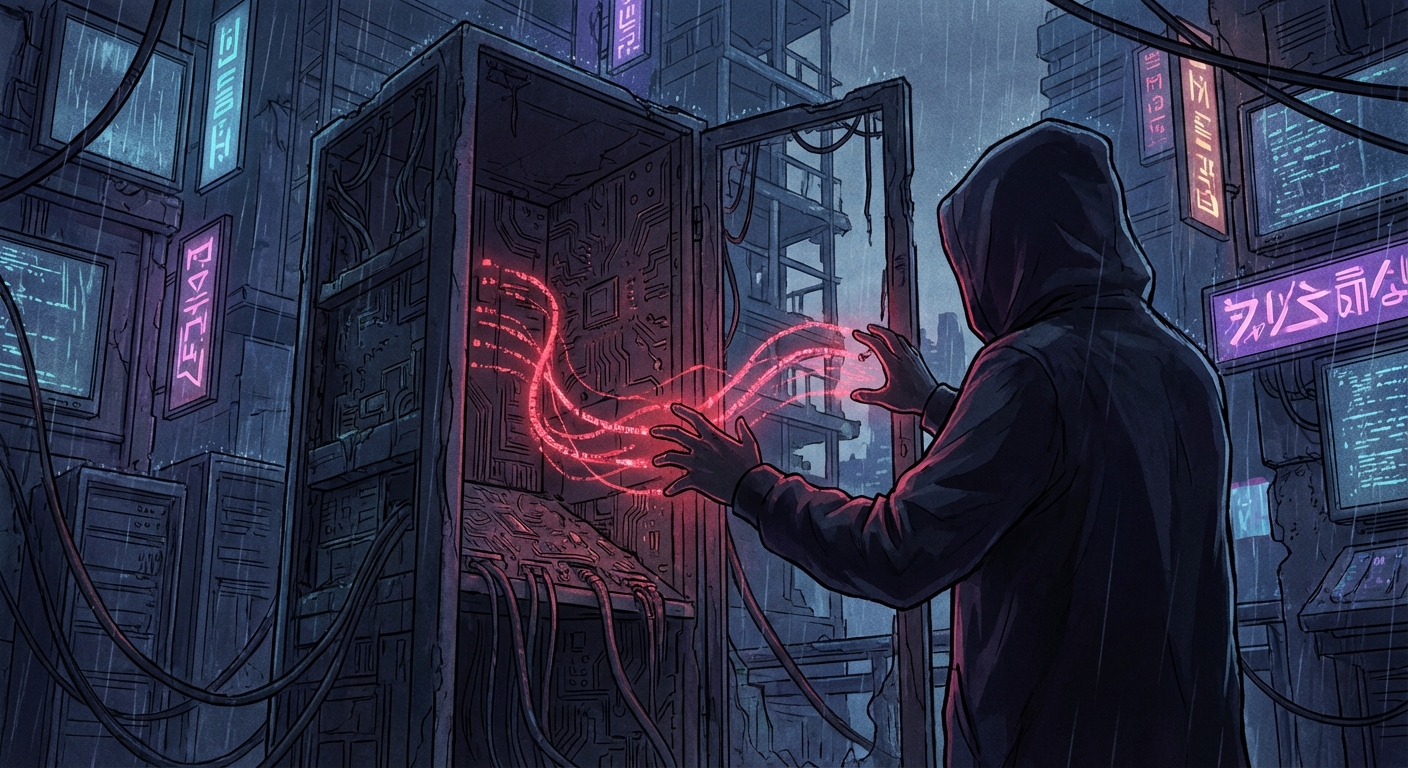
4. Resolving Chaos and Settling Down: The Birth of OpenClaude
When this incident occurred, the original creator urgently warned the community. Notices saying "The currently distributed ClaudeBot is not my project" covered the GitHub Issues tab. However, the name 'MoltBot' was already associated with the hacking incident, its image tarnished, causing confusion among users.
Eventually, the developer drew a clear line regarding the security incident and settled on the name 'OpenClaude' to emphasize that it is a transparent, community-led project.
Current Lineage Summary
For those of you who are confused, here is a summary of the lineage as of now (2024).
- Phase 1 (Initial):
ClaudeBot- Chatbot project using Anthropic API. (Currently deprecated) - Phase 2 (Transition):
MoltBot- Renamed due to trademark issues, but the old name (ClaudeBot) was hijacked by hackers and used as a malware distribution channel. - Phase 3 (Current):
OpenClaude- The official project, rebranded with security patches completed. (Use this one!)
5. Essential Open Source Security Rules for Developers (Action Items)
The OpenClaude incident is not just a problem with a single library. It is a powerful warning showing how vulnerable the open-source ecosystem we use can be. Here are actionable items you must execute right now to protect your project.
✅ 1. Check 'Official Source' Before Package Installation
Don't just trust the name in the package manager. You must check the GitHub Star count, recent commit dates, and whether the Maintainer is a trustworthy person. Be especially suspicious of packages where ownership has suddenly changed.
✅ 2. Utilize Lock Files and Pin Versions
Refrain from using `^` (caret) or `*` (wildcard) when specifying versions in `package.json` or `requirements.txt`. Specifying (Pinning) exact versions and fixing the dependency tree via `package-lock.json` or `yarn.lock` can prevent unintended malicious updates.
✅ 3. Use Periodic Security Audit Tools
Integrate tools like NPM Audit or Snyk into your CI/CD pipeline. These tools compare against known vulnerability databases (CVE) and automatically detect if the library you are using is a hacked version.
6. OpenClaude: Is It Safe to Use Now?
The OpenClaude team has significantly strengthened security while going through this incident. They have introduced Code Signing to verify the integrity of distributed packages, and the code is managed transparently under community surveillance.
I also applied the latest version of OpenClaude to a recent project; performance has improved compared to the MoltBot days, and most importantly, I confirmed it perfectly supports Anthropic's latest model, Claude 3.5 Sonnet.
Conclusion: Security is 'Now,' Not 'Later'
Technology evolves fast, and security holes appear just as quickly. The complacent thought, 'Surely the famous library I use won't get hacked?' can threaten corporate assets and personal information. The case of OpenClaude, MoltBot, and ClaudeBot was an expensive lesson reminding us of the importance of security hidden behind names.
Is the security architecture of the service you are currently developing unstable, or are you having difficulty verifying open-source libraries?
🛡️ Is My Project Safe? Get a Free Security Diagnosis
The Dreams (Kkumdam) team offers customized security consulting for startups and developers. Check with experts to ensure your code doesn't become prey for hackers.
Inquire about Dreams (Kkumdam) Security Consulting